Protecting your vehicle from the harsh elements is one of the smartest investments you can make as a property owner. Whether you are shielding a classic car from the baking California sun or keeping the rain off your daily driver, a carport offers a practical, budget-friendly solution. But before you break ground, you likely have one pressing question: how much does it cost to build a carport?
The price can vary significantly based on materials, size, and customization. While a simple structure might be surprisingly affordable, a fully customized metal building will command a different price point. In this guide, we will break down the real-world costs and factors you need to consider to make the best choice for your home and budget. For a look at our versatile options, you can explore our range of Carports designed to fit any need.
Average Cost Estimates
While prices fluctuate based on the steel market and local labor rates, here are some general industry averages to help you plan.
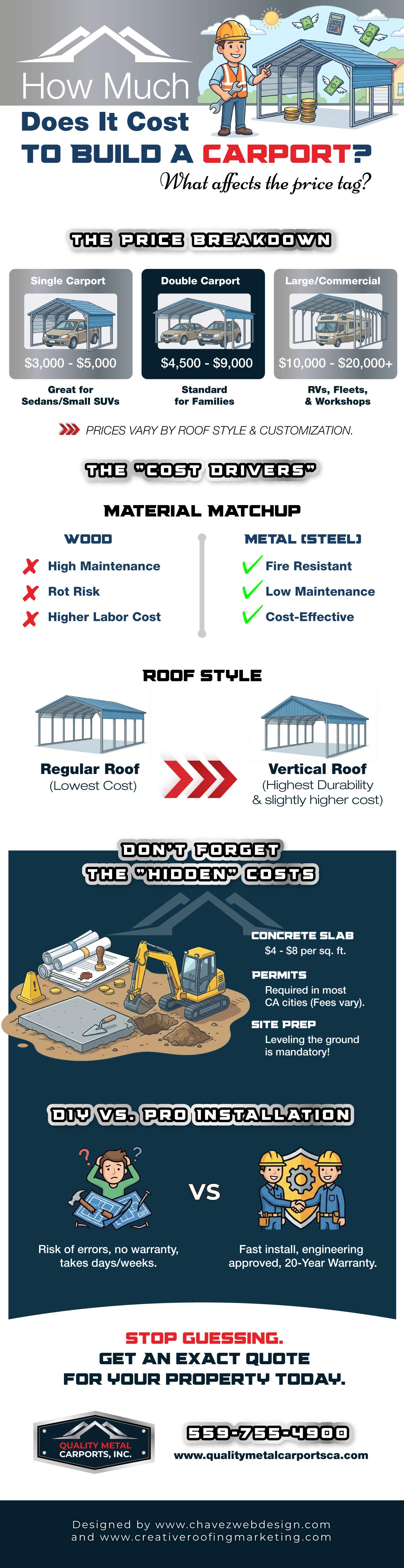
- Basic Single Carport: Typically ranges from $3,000 to $5,000.
- Double Carport: Expect to pay between $4,500 and $9,000, depending on the roof style.
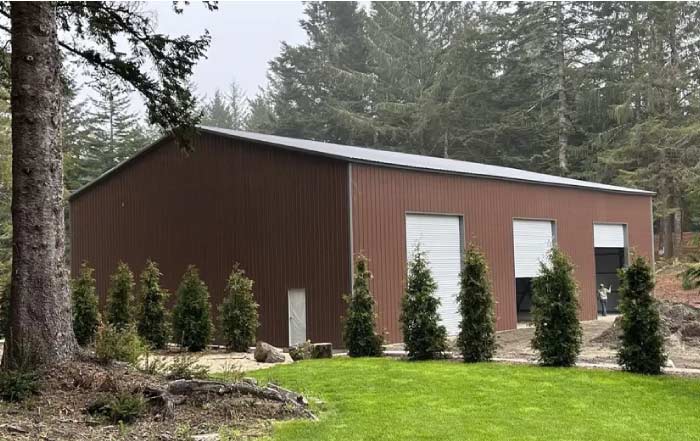
- Large Metal Structures: For fully enclosed spaces or commercial-grade storage, the price can range from $10,000 to $20,000+.
If you are looking for something more robust than a standard open shelter, our Commercial Garages offer heavy-duty protection for business fleets or agricultural equipment.
Site Preparation and Installation
One often overlooked expense when asking “how much does it cost to build a carport?” is site preparation. Your structure needs a level foundation to ensure stability and warranty compliance.
- Ground Leveling: If your land is sloped, it must be graded.
- Concrete Slab: For a permanent, clean look, pouring a concrete slab is ideal. This can cost between $4 and $8 per square foot depending on local concrete prices.
- Permits: Most cities in California require a building permit for detached structures. Permit fees vary by county but are essential for legal compliance.
Key Factors That Influence Carport Pricing
When determining the final price tag of your project, several variables come into play. Understanding these helps you budget accurately and avoid surprises down the road.
1. Materials Matter: Metal vs. Wood
The material you choose is the single biggest cost driver. Wood carports can be aesthetically pleasing but often come with higher labor costs and significant long-term maintenance, such as painting and rot prevention.
In contrast, Metal Carports are generally more cost-effective and durable. Steel structures withstand fire, pests, and severe weather far better than timber. Because we manufacture our own metal sheets at Quality Metal Carports, Inc., we can offer superior durability without the middleman markup, ensuring you get the best value for your investment.
2. Size and Capacity
Naturally, a larger structure requires more materials and labor.
- Single Carports: The most affordable option, perfect for a sedan or small SUV.
- Double Carports: These are standard for most families, accommodating two vehicles side-by-side.
- RV & Oversized Structures: If you need extra height and length for a recreational vehicle, you will need to look at specialized RV Carports. These require reinforced supports to handle the increased wind load and height.
3. Roof Style and Customizations
A standard flat roof is the most economical choice, but it may not offer the best drainage or aesthetics. Upgrading to a vertical roof style—which is highly recommended for durability—will slightly increase the cost but provides better protection against debris and rain.
DIY vs. Professional Installation
You might be tempted to buy a kit and install it yourself to save money. However, DIY projects often end up costing more in the long run due to mistakes, lack of specialized tools, and time lost.
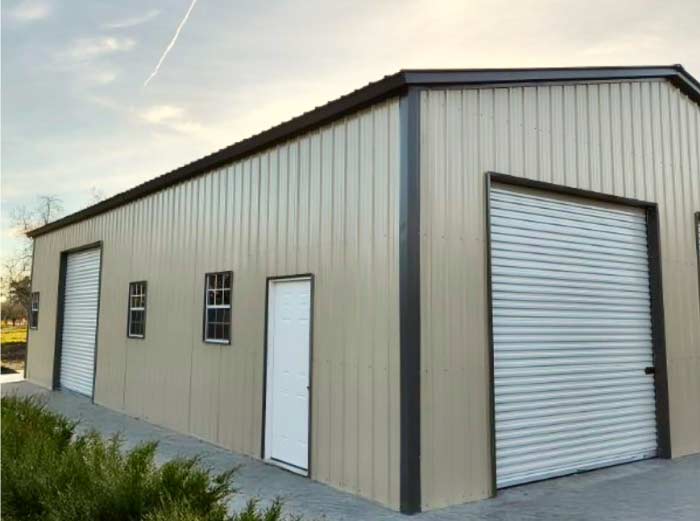
Professional installation ensures your structure is anchored correctly and meets local engineering codes. At Quality Metal Carports, Inc., our teams are efficient and precise, often completing the job in a fraction of the time it takes a DIYer. For those interested in fully enclosed solutions, our Prefab Garages are an excellent alternative that combines the speed of carport installation with the security of a garage.
Why Choose Quality Metal Carports, Inc.?
At Quality Metal Carports, Inc., we don’t just sell structures; we manufacture them. Founded in 2019 in Fresno, California, we grew from a backyard operation to a full-scale manufacturer because we refused to compromise on quality. By producing our own metal sheets and components, we control the quality from start to finish.
We offer a 1-year workmanship warranty and a 20-year product warranty because we stand behind our work. Whether you need a simple car cover or complex Garage Buildings, our mission is to help you protect what matters most with honesty, respect, and superior craftsmanship.
Frequently Asked Questions (FAQs)
Does adding a carport increase my home's value?
Yes, a well-built carport can increase your property value. It adds functional parking space and protects vehicles, which is a highly desirable feature for potential buyers, especially in areas with harsh sun or frequent rain.
Do I need a permit to build a carport?
In most cases, yes. Most municipalities classify carports as permanent detached structures. You should always check with your local city planning department to avoid fines or having to take the structure down later.
How long does it take to build a metal carport?
Once the site is prepared, the actual assembly of a metal carport is very fast. A standard unit can often be installed in a single day by a professional crew, whereas wood structures might take a week or more.
Can I enclose my carport later if I want a garage?
Yes, metal carports are versatile. Many homeowners choose to add side panels or gable ends later to convert their open carport into a more enclosed storage space or workshop.
What is the best flooring for a carport?
While bare earth or gravel is the cheapest option, a concrete slab is the best choice for longevity. It prevents your vehicle from sitting in mud and reduces the amount of moisture rising from the ground, which helps prevent rust on your car’s undercarriage. For more information on local regulations, you can check resources like California’s building standards code to understand the specific requirements for your area.