When investing in a new steel structure, one of the most critical decisions you will face is the thickness of the frame. This choice directly impacts the durability, lifespan, and wind-load capacity of your building. Most manufacturers offer two primary options for steel tubing.
Understanding the differences between 12-Gauge vs. 14-Gauge steel is essential for protecting your property.
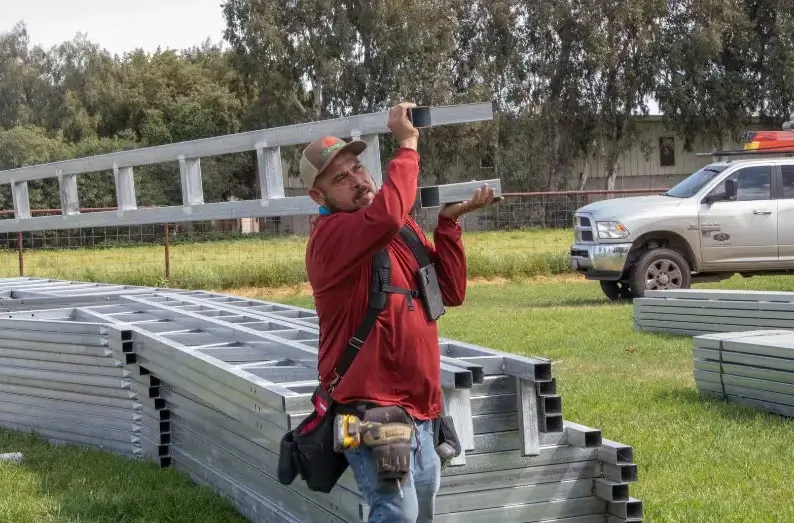
Understanding Steel Gauge Measurements
In the world of steel manufacturing, the term “gauge” refers to the thickness of the metal. A unique aspect of this measurement system is that the higher the number, the thinner the steel. Therefore, 12-gauge steel is thicker and stronger than 14-gauge steel. This distinction is vital when planning Agricultural Buildings that must withstand heavy use and environmental stress.
The Standard: 14-Gauge Steel Framing
14-gauge steel is the industry standard for most residential metal structures. It measures approximately 2.5″ x 2.5″ in diameter and provides an excellent balance between affordability and strength. This option is frequently used for Metal Carports and smaller storage units. It is a cost-effective solution for areas that do not experience extreme weather conditions or heavy snow loads.
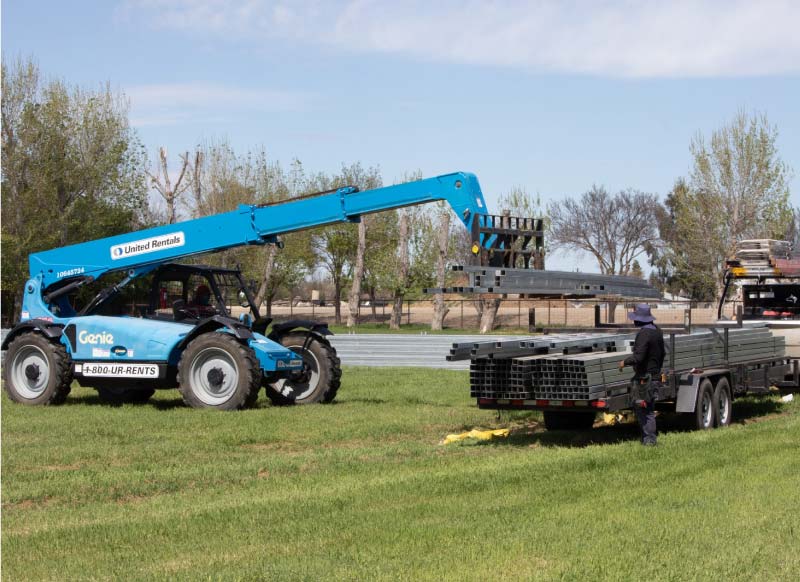
The Heavy-Duty Choice: 12-Gauge Steel Framing
If you need maximum structural integrity, 12-gauge steel is the superior choice. It is significantly thicker than the 14-gauge alternative, providing higher tensile strength.
This extra thickness makes it the preferred option for larger Garage Buildings or commercial applications. When comparing 12-Gauge vs. 14-Gauge, the 12-gauge frame offers a higher resistance to bending and shearing forces under pressure.
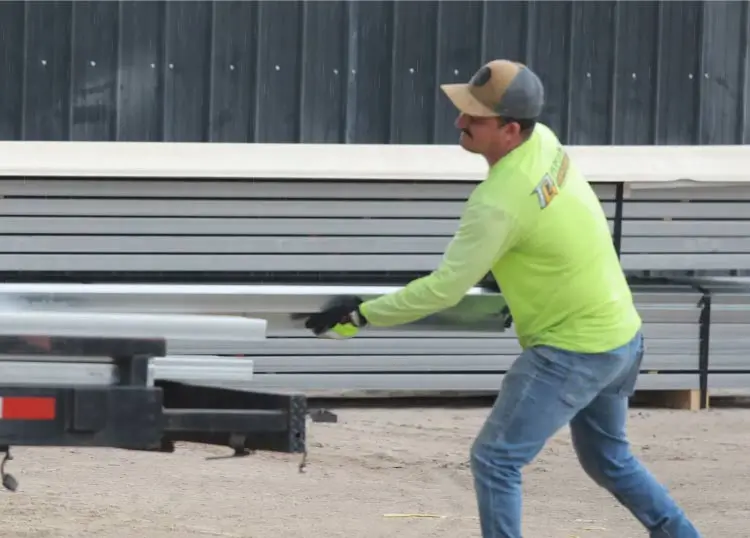
Key Differences at a Glance
To help you decide which material fits your project, consider these primary factors:
- Thickness: 12-gauge is roughly 30% thicker than 14-gauge steel.
- Warranty: Many manufacturers offer longer rust-through warranties on 12-gauge frames.
- Structural Requirements: Large-span buildings usually require 12-gauge for stability.
- Cost: 14-gauge is more budget-friendly, while 12-gauge is a premium investment.
- Weight: 12-gauge is heavier, which can lead to a more stable foundation anchor.
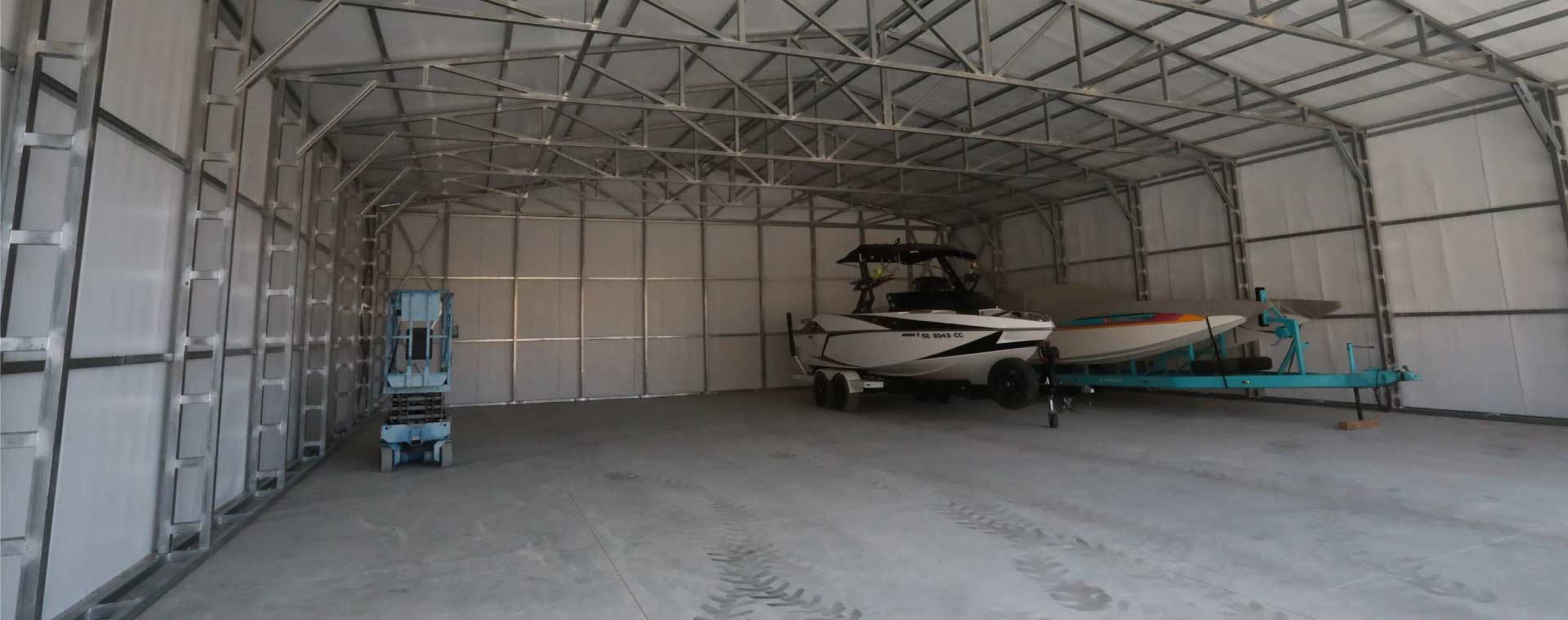
When to Upgrade to 12-Gauge
Choosing the thicker frame is often a requirement for specific building types. For instance, Barns used for livestock or heavy machinery storage benefit greatly from the added rigidity. If your local building codes mandate higher wind or snow load ratings, the 12-gauge frame is often the only way to meet those legal safety standards.
Weather Considerations and Longevity
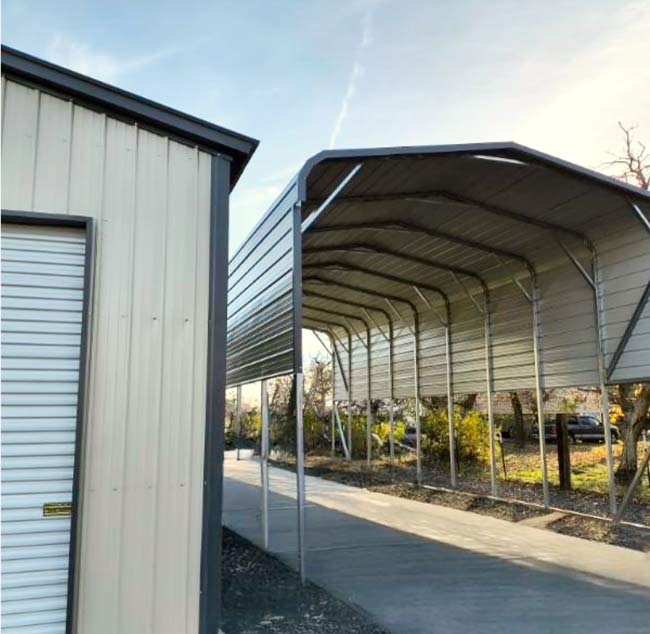
In regions with high winds or salty air, metal can be pushed to its limits. Thicker steel takes much longer to corrode or weaken over time. If you are building Boat Storage near a coastal area or a large RV Carport in a windy valley, the extra investment in 12-gauge steel ensures your vehicle remains protected for decades.
Making the Final Decision
While 14-gauge is sufficient for many, 12-gauge is an insurance policy for your structure. According to the American Iron and Steel Institute, cold-formed steel is one of the most sustainable and durable building materials available today.
Selecting the appropriate thickness ensures you maximize these inherent benefits for your specific geographic location and intended use case.
Why Quality Metal Carports, Inc. Stands Out
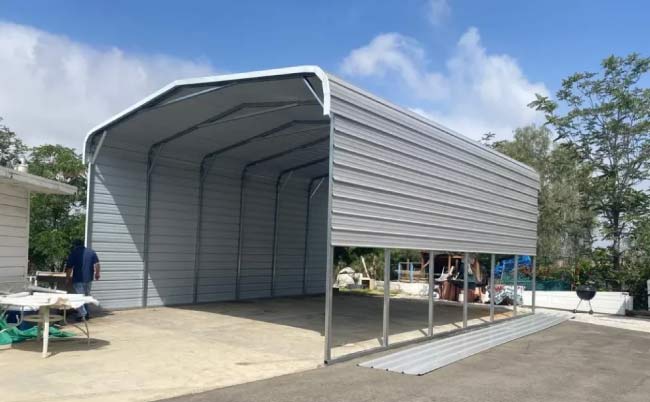
At Quality Metal Carports, Inc., we don’t just sell buildings; we manufacture them. Founded by Carlos Dominguez, our company handles the process from the initial weld to the final installation.
We use high-quality sheet metal and offer both 12-gauge and 14-gauge options to suit your needs. With our 10-year product warranty, you can trust that your custom metal structure is built to last.
Frequently Asked Questions (FAQs)
Which gauge is thicker, 12 or 14?
12-gauge is thicker than 14-gauge. In steel measurements, lower numbers indicate a thicker and heavier material.
Is 12-gauge steel worth the extra cost?
Yes, especially for large buildings or areas with harsh weather. It provides superior strength, better wind resistance, and often comes with a longer warranty.
Can I use 14-gauge for a large commercial garage?
While possible, most professionals recommend 12-gauge for large-span commercial buildings to ensure structural stability and meet strict building codes.
Does steel gauge affect the appearance of the building?
No, the gauge refers to the internal frame thickness. The exterior panels will look the same regardless of whether you choose a 12-gauge or 14-gauge frame.
How does gauge affect the warranty of a metal building?
Most companies offer a longer rust-through warranty (often up to 20 years) on 12-gauge frames compared to the standard 14-gauge options.