Insulating your metal structure is crucial for comfort, energy efficiency, and the longevity of the building. Metal is an excellent conductor of heat and cold, which makes uninsulated buildings uncomfortably hot in the summer and cold in the winter.
Learning how to insulate a metal building is the first step toward saving money on utility bills and protecting your investment.
Table of Contents
Why Is Insulation Essential for Your Metal Structure?
Insulation does much more than just regulate the internal temperature of your metal building. By reducing heat loss or gain, you require your heating or cooling systems to work less. This directly translates to lower energy consumption and, therefore, reduced utility bills.
Another critical benefit is moisture control. Without insulation, warm, humid air clashes with cold metal surfaces, causing condensation. This moisture can lead to rust, mold, and long-term structural damage.
Proper insulation prevents these issues, controlling corrosion and extending the lifespan of the building. If you are building a metal garage, insulation is vital to protect stored vehicles and tools from moisture.
Types of Insulation for Metal Buildings
Several material options exist when considering how to insulate a metal building, each with its advantages and costs. The correct choice depends on your climate, budget, and the intended use of the structure. For carports and smaller structures, you might opt for more economical materials.
1. Fiberglass Batt Insulation
This is the most common and often the most affordable type of insulation for metal buildings. It comes in rolls or pre-cut pieces and is relatively easy to install between the framing members and rafters. It is effective for thermal resistance but requires a vapor barrier to prevent moisture issues.
2. Spray Foam Insulation
Polyurethane spray foam is the premium option and one of the most effective. It is applied as a liquid and expands to fill every gap and crevice, creating an airtight seal. Closed-cell foam offers the highest R-value per inch and acts as both a vapor and air barrier.
3. Rigid Foam Board Insulation
These boards are durable, moisture-resistant, and offer a good R-value in a compact format. They are often used in walls and roofs and require precise cutting and sealing to ensure effectiveness. They are an excellent option if you are looking for durability and high efficiency.
4. Reflective Radiant Barrier
Composed of one or two layers of air bubbles enclosed between aluminum foil sheets, this barrier reflects radiant heat. It is ideal for warm climates, as it keeps heat out, but its R-value is limited in cold climates unless combined with other insulation.
Step-by-Step Guide: How to Insulate a Metal Building
Insulating your structure requires careful planning. The installation method will vary by material, but these steps cover the key aspects of how to insulate a metal building effectively:
Step 1: Building Assessment and Preparation
Evaluate your building’s needs. Consider the local climate and if you plan to heat or cool the structure regularly. Make sure the interior is clean and sealed; use sealant or caulking to fill cracks and prevent drafts. This will maximize insulation performance.
Step 2: Installing Wall Insulation
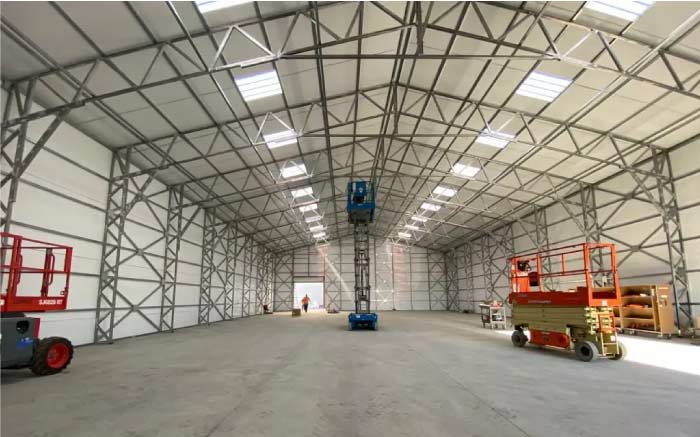
The walls are often the easiest to address. Fiberglass batts are installed between the studs, making sure not to compress the material, which would reduce its R-value. If using reflective barriers, place them near the exterior, maintaining an air space of at least half an inch for heat reflection.
Step 3: Roof Insulation
The roof is a primary source of heat transfer and is, therefore, crucial to insulate. Insulation can be installed below the roof panels, maintaining a ventilated or sealed air space. For maximum efficiency in large metal buildings, it is often recommended to combine a radiant barrier with spray foam.
Step 4: Sealing Doors and Windows
Even the best insulation will be ineffective if there are air leaks. Use weather stripping and caulking around all windows and doors to seal gaps. If you are working on a metal barn, ensure the main access door is well-insulated and sealed to prevent energy loss.
About Quality Metal Carports, Inc.
At Quality Metal Carports, Inc., we understand that the quality of your structure doesn’t end with the steel. As a manufacturer with our own metal sheet production, we offer the unique ability to control every aspect of your project, from building carports to complex metal buildings.
Our focus on quality and customer service is built on industry experience and the inspiration to create structures that meet our clients’ needs to protect their valuables. Let us help you design a durable and well-insulated metal structure.
Would you like a quote for an insulated metal structure?
Frequently Asked Questions (FAQs)
What is R-value and why is it important?
The R-value is the measure of an insulating material’s resistance to heat flow. A higher R-value indicates a greater capacity to resist heat transfer, which translates to better energy efficiency and higher comfort.
Does insulation prevent condensation in a metal building?
Yes, one of the key functions of insulation, especially when combined with a vapor barrier, is to prevent condensation. It reduces the temperature difference between the cold metal and the indoor air.
What is the best insulation for a metal garage?
Fiberglass batt is a popular and cost-effective choice for most garages with standard stud spacing. However, closed-cell spray foam provides the best overall performance and moisture control.
Can I install the insulation myself?
Yes, materials like fiberglass batts or radiant barriers are often straightforward DIY projects. However, spray foam typically requires professional installation for optimal results.
Is a vapor barrier needed with insulation?
Yes, it is essential in most applications for metal buildings. The vapor barrier (or vapor retarder) helps prevent moisture from penetrating and getting trapped in the insulation, which could reduce its performance and cause corrosion.