Choosing between a Metal Carport with a standard design or a more robust vertical style can impact the longevity of your investment.
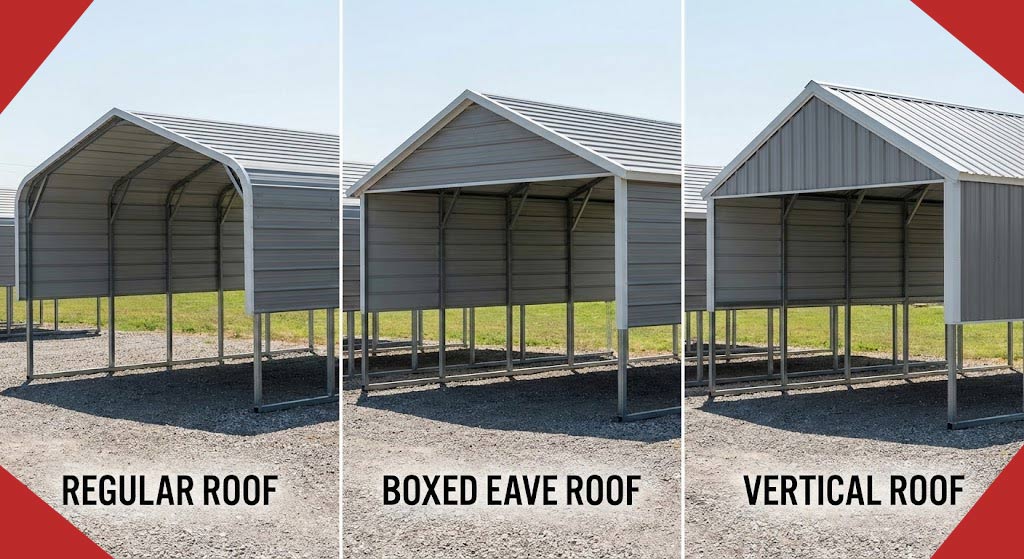
The Regular Roof: Economical and Classic
The regular roof is the most cost-effective option available in the industry today. It is easily recognizable by its rounded corners and horizontal paneling. The panels run from the front of the building to the back. This design is excellent for homeowners looking for basic protection for their everyday vehicles.
Because of its simple design, the regular roof requires less material, making it the budget-friendly choice for standard Carports. It is best suited for regions that experience mild weather and do not deal with heavy snow or intense wind.
If you live in an area with moderate conditions, this classic look provides reliable service at a lower price point.
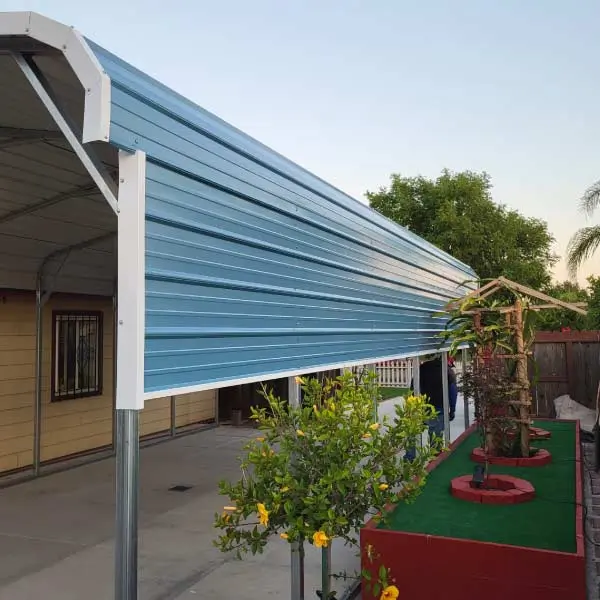
The Boxed Eave Roof: Traditional Style Meets Value
The Boxed Eave roof, often referred to as an “A-Frame” roof, offers a more traditional appearance that complements many residential homes. Unlike the regular roof, it features a squared-off eave and a peaked roofline. The panels on a boxed eave roof still run horizontally from front to back, similar to the regular style.
This option is a fantastic middle ground for those who want the look of Prefab Garages without the higher cost of a vertical system.
It offers a cleaner, more residential aesthetic while maintaining affordability. However, because the panels are horizontal, water and debris do not shed as quickly as they do on vertical systems.
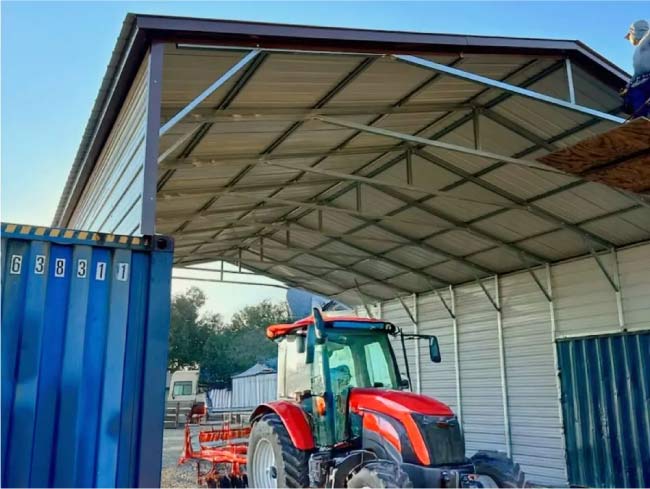
The Vertical Roof: The Gold Standard of Protection
When it comes to durability and structural integrity, the vertical roof is the undisputed champion. This style features roof panels that run from the ridge to the eave (top to bottom). To support these vertical panels, the frame includes additional hat channels and a ridge cap. This engineering makes it the strongest option for Agricultural Buildings.
The vertical orientation allows rain, snow, and leaves to slide off the roof effortlessly. This prevents the “pooling” of water that can occur on horizontal panels over time.
When comparing a Regular Roof vs. Boxed Eave vs. Vertical Roof, the vertical option is the only one recommended for areas with heavy snow loads or extreme winds.
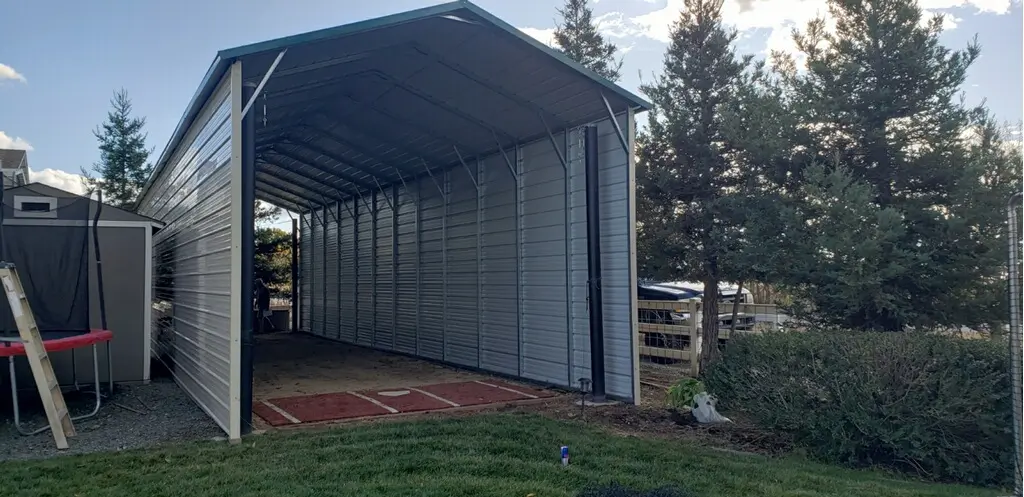
Comparing the Three: Regular Roof vs. Boxed Eave vs. Vertical Roof
Selecting the right style depends on your climate and your aesthetic preferences. To simplify your decision, consider these key differences:
- Panel Direction: Regular and Boxed Eave roofs use horizontal panels; Vertical roofs use top-to-bottom panels.
- Debris Shedding: Vertical roofs excel at shedding snow and leaves, whereas horizontal panels may trap debris in their ridges.
- Structural Support: Vertical roofs include extra steel bracing (hat channels) for added strength.
- Aesthetics: Regular roofs have rounded edges; Boxed Eave and Vertical roofs have a sharp, A-frame peak.
- Cost: Regular is the most affordable, followed by Boxed Eave, with Vertical being the premium choice.

Climate and Performance
Your local weather should be the primary factor in your choice. If you are storing a high-value asset, such as an RV Carport, you want to ensure the roof can handle the local environment. A vertical roof reduces the risk of leaks because there are fewer seams where water can penetrate.
For those in high-wind zones, the vertical roof offers the least resistance and the most stability.
According to industry safety guidelines from the Metal Building Manufacturers Association, selecting the correct roof profile is essential for ensuring a building meets local load requirements.
Understanding the trade-offs of Regular Roof vs. Boxed Eave vs. Vertical Roof will save you from costly repairs in the future.
Why Quality Metal Carports, Inc. is Your Best Choice
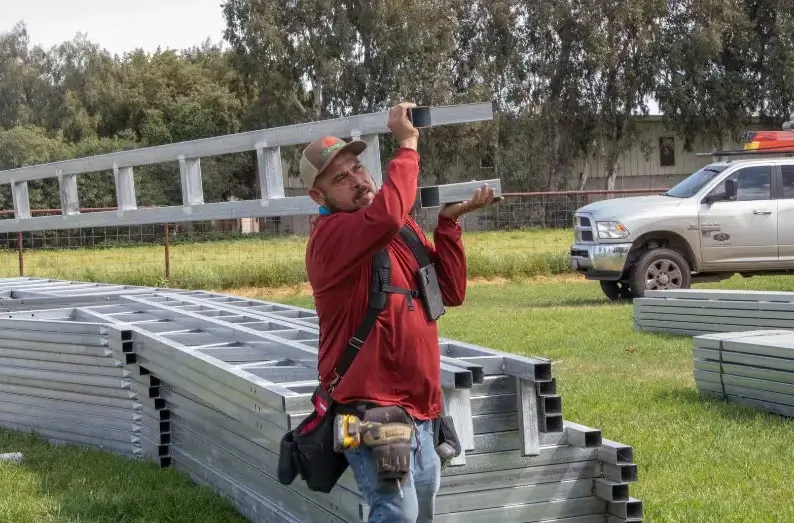
At Quality Metal Carports, Inc., we take pride in manufacturing every component of your structure to the highest standards. Founded by Carlos Dominguez in 2019, our mission is to provide California homeowners with durable, custom-manufactured metal structures.
Whether you need a simple shelter or a massive barn, our team ensures that “Quality” is not just in our name, but in every weld and sheet of metal we produce.
Frequently Asked Questions (FAQs)
Does a vertical roof really last longer than a horizontal one?
Yes, vertical roofs typically have a longer lifespan. Because they shed water and snow more efficiently, the metal is less prone to moisture retention, which reduces the long-term risk of rust and leaks at the seams.
Can I change my roof style after the building is installed?
No, the roof style is determined by the frame’s construction. A vertical roof requires specific internal bracing (hat channels) that horizontal roofs do not have, making it impossible to switch styles once the frame is built.
Which roof style is best for preventing leaks?
The vertical roof is the best for leak prevention. Water flows naturally down the ridges to the ground, whereas horizontal panels can allow water to sit in the ridges, increasing the chance of seepage through the screw holes.
Is there a big price difference between Boxed Eave and Vertical roofs?
There is a price increase for the vertical roof because it requires more steel for the internal hat channels and ridge caps. However, the added durability and reduced maintenance often make it the more cost-effective choice over time.
Which roof style is best for areas with many trees?
The vertical roof is highly recommended for wooded areas. Leaves, pine needles, and branches slide off vertical panels easily, while they tend to get stuck in the ridges of horizontal panels, requiring manual cleaning.